Perfect Italian Meringue Recipe | Silky Frosting for Cakes and Pies
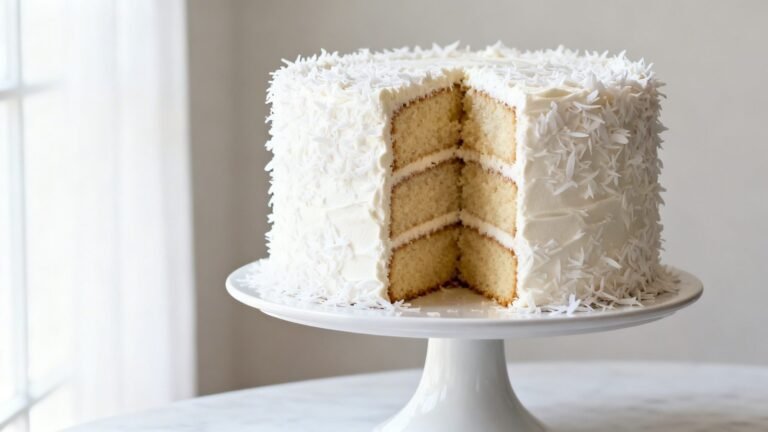
Italian meringue makes cakes and pies look polished and taste luxurious. You get a glossy, marshmallowy frosting that slices cleanly, pipes like a dream, and stands strong on warm days. If you’ve felt nervous about hot sugar syrup, I’ll walk with you step by step. You’ll master it on your first go.
This version hits that silky, stable sweet spot without gritty sugar or weepy puddles. We’ll whip egg whites to soft peaks, stream in a precise sugar syrup, and whisk until cool and billowy. I’ll share exact temperatures, visual cues, and baker’s tricks so you get reliable results every time.
Why This Italian Meringue Method Works
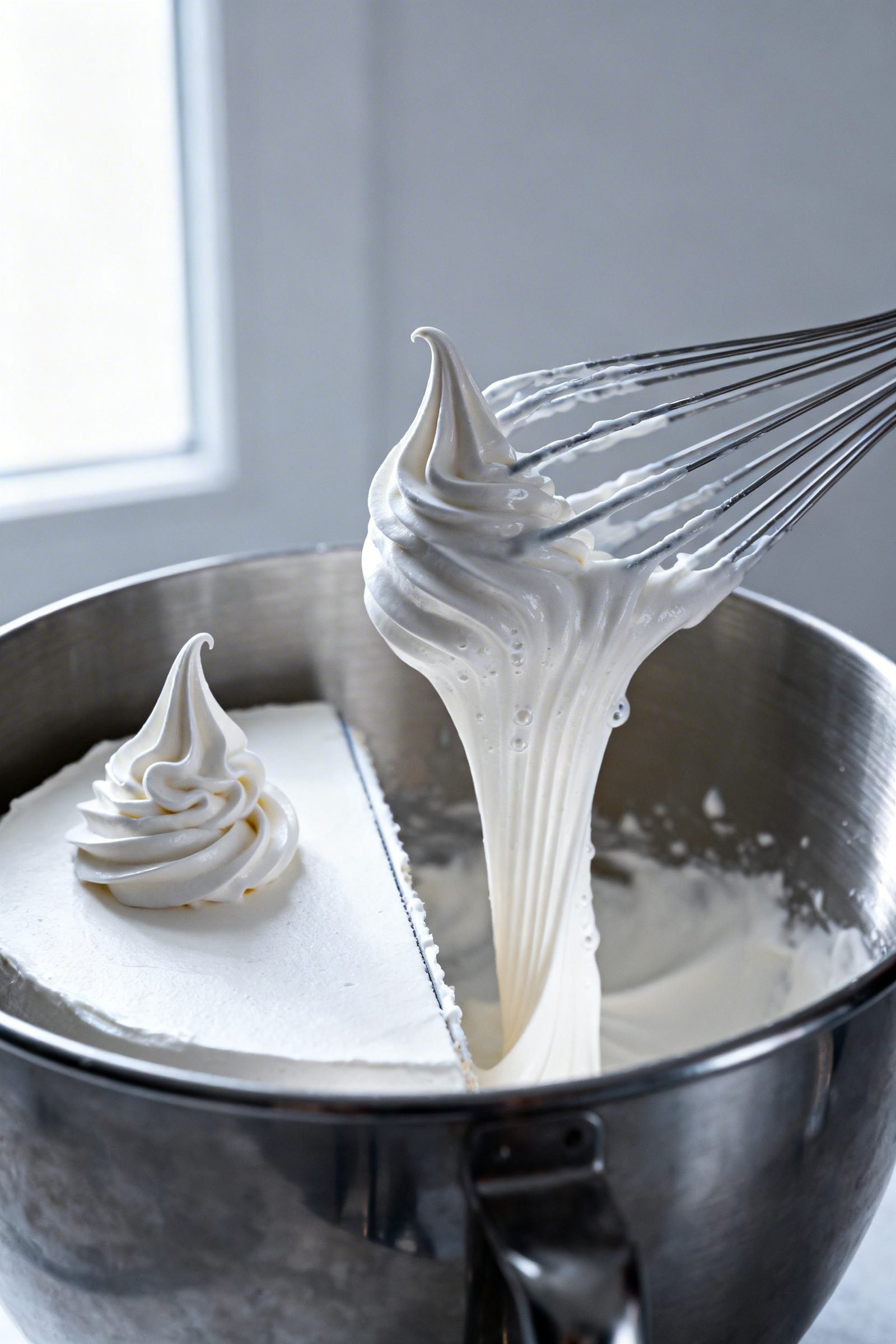
Italian meringue relies on hot sugar syrup to cook the egg whites as you whip. That heat sets the proteins and creates a tight, glossy structure. Here’s why this method delivers the silky finish you want:
- Stable and glossy: The syrup stabilizes the foam so it holds peaks, keeps a shine, and pipes crisp details.
- No gritty sugar: Dissolving sugar in water and cooking it to the right temperature prevents crystals in the final frosting.
- Safe for pies and cakes: The hot syrup gently cooks the whites, which makes the meringue safer and more dependable.
- Heat-resistant: It holds up better than French meringue under lights or on warm days, so decorations keep their shape.
- Versatile texture: Whip just to stiff peaks for silky swirls or longer for firmer, pipeable designs.
Ingredients
Measure precisely for best results. A scale helps, but I’ve included volume too.
- Egg whites: 4 large (about 120 g), at room temperature
- Granulated sugar: 1 cup (200 g), divided
- Water: 1/3 cup (80 ml)
- Cream of tartar: 1/4 teaspoon (or 1/2 teaspoon fresh lemon juice)
- Fine sea salt: Pinch
- Vanilla extract: 1 teaspoon (or paste for specks)
- Optional flavor boosters: 1/4 teaspoon almond extract, a scrape of citrus zest, or a dash of rose/orange blossom water
Equipment you’ll need:
- Stand mixer with whisk (hand mixer works with patience)
- Heavy saucepan with a spout if possible
- Instant-read thermometer or candy thermometer
- Silicone spatula, small offset spatula for spreading
How to Make Silky Italian Meringue
1) Prep the bowl and whites
- Wipe the mixer bowl and whisk with a little vinegar or lemon juice, then dry well. Any grease kills volume.
- Separate the eggs carefully. Keep all yolk out of the whites.
- Add egg whites, cream of tartar (or lemon), and salt to the mixer bowl.
2) Cook the sugar syrup
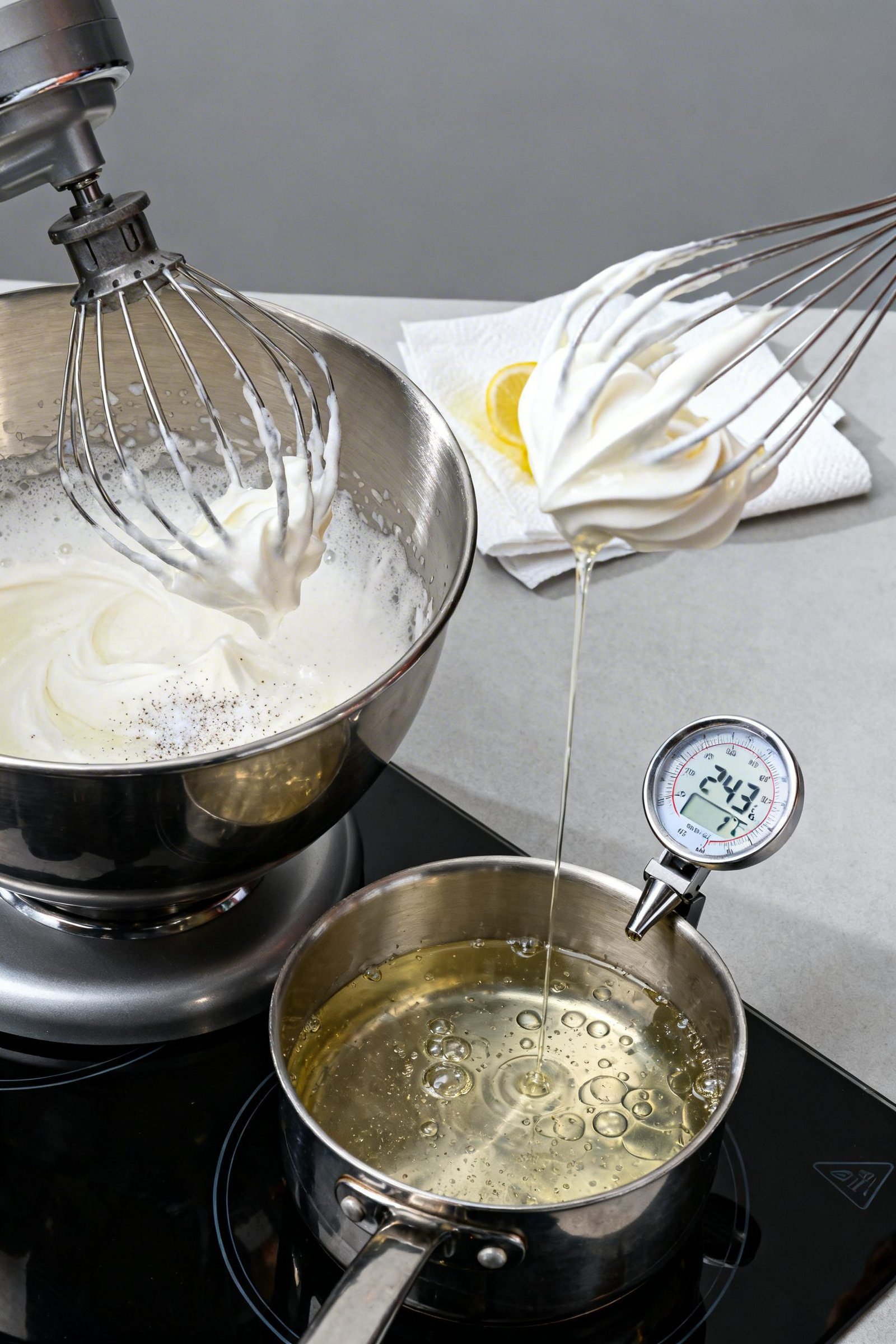
- In a small saucepan, combine 1 cup (200 g) sugar and 1/3 cup (80 ml) water. Stir just to moisten. Stop stirring once it starts heating to avoid crystallization.
- Bring to a lively simmer over medium heat. Clip on a thermometer. Let it cook to 240–245°F (115–118°C), the soft-ball stage.
- While it climbs past 230°F (110°C), start whipping the whites.
3) Whip the whites to soft peaks
- Beat the whites on medium speed until foamy, then increase to medium-high.
- Whip to soft peaks—the tip should curl over. If they hit firm peaks too soon, drop the speed to low to hold them until the syrup is ready.
4) Stream in the hot syrup
- With the mixer running on medium, pour the hot syrup in a thin, steady stream between the bowl and whisk. Aim down the side of the bowl to avoid splashing.
- After all the syrup goes in, increase speed to high and whip until the bowl feels barely warm and the meringue reaches glossy stiff peaks, about 6–8 minutes.
- Beat in vanilla (and optional extracts) for the final 30 seconds.
5) Use it right away
- Spread over cooled cakes, pipe rosettes on cupcakes, or mound it high on pie.
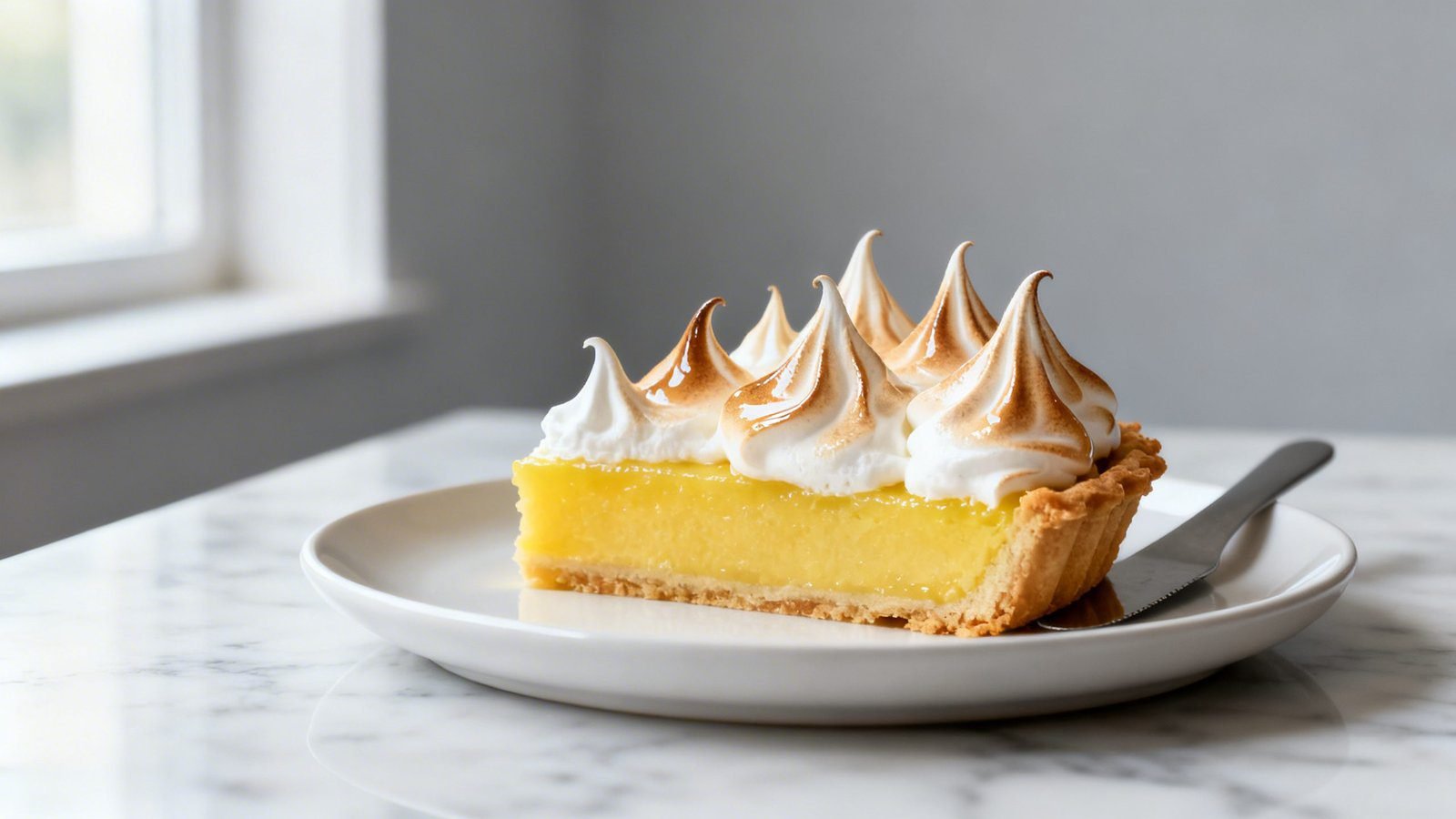
- For a toasted finish, torch the surface lightly until golden.
Visual cues to trust
- Shine: The meringue should look glassy and reflective.
- Peaks: Pull the whisk out—peaks stand tall with just a soft bend.
- Temperature: The bowl should feel cool to just slightly warm before you stop whipping.

How to Store Italian Meringue
- Short-term: Use immediately for the best texture and shine.
- Room temp: Hold for up to 2 hours if your kitchen stays cool and dry.
- Refrigerator: Store decorated cakes or pies up to 24 hours. The surface may dull a bit but stays stable.
- Freezer: Avoid freezing plain meringue. Freeze finished pies or cake layers very briefly if needed, but expect a slight texture change after thawing.
- Re-whip: If it softens, beat on medium-high for 15–30 seconds to refresh the texture.
Benefits of Choosing Italian Meringue
- Unbeatable stability: It holds swirls and piped details longer than Swiss or French meringue.
- Silky mouthfeel: You get a plush, marshmallow-like texture without graininess.
- Cleaner slices: It sticks to cake layers and cuts neatly for beautiful servings.
- Balanced sweetness: It tastes sweet but not cloying, especially with a touch of salt and vanilla.
- Great for heat: It tolerates warmer rooms and busy party tables better than softer frostings.
What to Avoid for Perfect Results
- Don’t let fat touch the whites: Clean tools matter. Even a little grease or yolk ruins volume.
- Don’t skip the thermometer: Guessing the syrup temperature causes weeping or dryness.
- Don’t pour syrup on the whisk: It splatters and forms sugar threads. Stream it down the bowl’s side.
- Don’t stop whipping too soon: Whip until the bowl cools and the meringue holds stiff, glossy peaks.
- Don’t overwhip after it sets: You’ll lose shine and create a grainy finish. Stop once peaks stand tall and silky.
- Don’t frost a warm cake or pie: Heat melts the structure and makes slides and tears.
Variations You Can Try
- Lemon Italian meringue: Add 1 teaspoon lemon zest and swap half the vanilla for 1 teaspoon lemon juice.
- Almond cloud: Use 1/4 teaspoon almond extract and a splash of vanilla. Sprinkle toasted sliced almonds over the finish.
- Espresso swirl: Dissolve 1 teaspoon instant espresso in 1 teaspoon hot water; beat in at the end.
- Honey-kissed: Replace 2 tablespoons sugar with 2 tablespoons mild honey in the syrup for floral depth.
- Orange blossom: Add 1/8 teaspoon orange blossom water with vanilla for a delicate bakery note.
- Chocolate ripple: Fold in 2–3 tablespoons gently melted, slightly cooled dark chocolate for marbled streaks.
FAQ
Can I make Italian meringue without a stand mixer?
Yes, but use a sturdy hand mixer and a deep bowl. It takes longer to reach glossy stiff peaks, so plan for a few extra minutes.
What if I don’t have cream of tartar?
Use 1/2 teaspoon fresh lemon juice. It adds the acid you need to strengthen the foam.
Why did my meringue turn grainy?
Either the syrup crystallized or you overwhipped. Avoid stirring the syrup once it boils and stop whipping as soon as you get cool, glossy stiff peaks.
How do I fix soft or droopy meringue?
Keep whipping until the bowl cools. If it still sags, the syrup likely went in too cool. Next time aim for 240–245°F (115–118°C).
Can I torch Italian meringue on pie?
Absolutely. Torch in sweeping motions until golden. For broiling, keep the rack high and watch constantly to prevent burning.
Is it safe to eat?
Yes. The hot syrup gently cooks the whites. If you want extra certainty, use pasteurized egg whites.
Can I color it?
Use gel food coloring. Add a tiny amount at the end and beat briefly to blend without deflating.
Conclusion
Italian meringue turns simple bakes into showpieces. With a clean bowl, a steady syrup stream, and a watchful whisk, you’ll get that signature shine and cloud-like texture every time. Trust the temperature, look for glossy stiff peaks, and frost while it’s fresh. Your cakes and pies will wear their best, silky coat—and you’ll look like the pro you are.
Perfect Italian Meringue
Silky, stable, glossy Italian meringue frosting made by streaming hot sugar syrup into whipped egg whites for cakes and pies.
Ingredients
- Egg whites: 4 large (about 120 g), at room temperature
- Granulated sugar: 1 cup (200 g)
- Water: ⅓ cup (80 ml)
- Cream of tartar: ¼ teaspoon (or ½ teaspoon fresh lemon juice)
- Fine sea salt: Pinch
- Vanilla extract: 1 teaspoon
- Optional: ¼ teaspoon almond extract, citrus zest, or a dash of rose/orange blossom water
Instructions
- Prep bowl and whites: Wipe mixer bowl and whisk with vinegar or lemon juice; dry thoroughly. Add egg whites, cream of tartar (or lemon juice), and a pinch of salt to the bowl.
- Cook sugar syrup: In a small saucepan, combine 1 cup (200 g) sugar and ⅓ cup (80 ml) water; stir just to moisten. Bring to a simmer over medium heat without further stirring and cook to 240–245°F (115–118°C).
- Begin whipping whites: As the syrup passes 230°F (110°C), beat the whites on medium until foamy, then medium-high to soft peaks.
- Stream in syrup: With mixer on medium, pour hot syrup in a thin stream down the side of the bowl (avoid the whisk).
- Whip to finish: Increase speed to high and whip until the bowl is barely warm and meringue holds glossy stiff peaks, about 6–8 minutes. Beat in vanilla and any optional flavorings for the last 30 seconds.
- Use immediately: Spread or pipe onto cooled cakes, cupcakes, or pies. Optionally torch the surface until lightly golden.