Ragu Bolognese Recipe | Rich Homemade Meat Sauce Pasta Classic
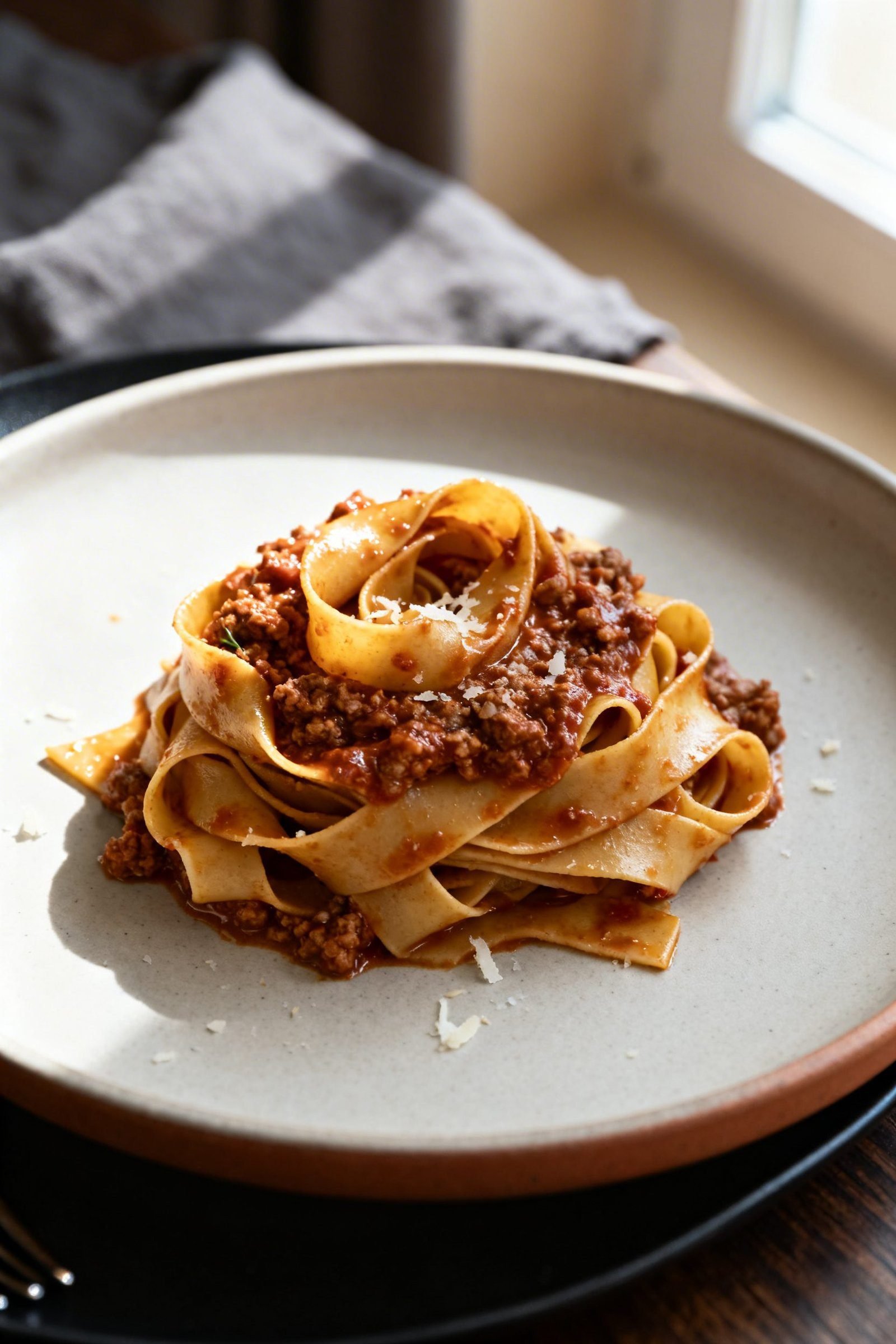
This is the kind of slow-cooked sauce that makes the whole kitchen smell like an Italian trattoria. Ragu Bolognese is rich, deeply savory, and silky, with tender meat and a balanced tomato base that hugs every strand of pasta. You don’t need restaurant skills—just patience, good ingredients, and a big pot.
I’ll walk you through the classic method step-by-step, share tips I learned from Italian cooks, and show you how to make this sauce ahead for easy weeknights. Once you master this, you’ll have a reliable, crowd-pleasing staple that turns simple pasta into something special.
Why This Bolognese Recipe Delivers Big Flavor
- Builds layers from the start: A slow sauté of onion, carrot, and celery (soffritto) creates a sweet, savory base that anchors the sauce.
- Mix of meats for depth: Combining ground beef and pork gives the sauce both richness and tenderness.
- Milk and wine add balance: Milk softens the meat and mellows acidity while wine adds brightness and complexity.
- Low and slow simmer: A gentle, uncovered simmer concentrates flavor and creates a luxurious texture.
- Right pasta pairing: Tossing the sauce with wide noodles like tagliatelle or pappardelle helps every bite carry plenty of ragu.
Ingredients
For the Ragu Bolognese
- 2 tablespoons olive oil
- 2 tablespoons unsalted butter
- 1 large yellow onion, finely diced
- 2 medium carrots, finely diced
- 2 celery ribs, finely diced
- 4 cloves garlic, minced
- 1 pound (450 g) ground beef (80–85% lean)
- 1/2 pound (225 g) ground pork
- 2 tablespoons tomato paste
- 1 cup dry white wine (or red, if you prefer)
- 1 cup whole milk
- 1 can (28 oz/800 g) crushed tomatoes
- 1 cup low-sodium beef or chicken broth, as needed
- 1 bay leaf
- 1 teaspoon dried oregano or Italian seasoning
- Pinch of ground nutmeg
- Kosher salt and freshly ground black pepper, to taste
To Serve
- 1 pound tagliatelle, pappardelle, or fettuccine
- Freshly grated Parmigiano-Reggiano
- Chopped fresh parsley (optional)
Ingredient notes: Use whole milk for the best texture. If you can find pancetta, you can add 2–3 ounces finely chopped with the vegetables for extra savoriness.
How to Make Classic Ragu Bolognese
- Start the soffritto: Heat olive oil and butter in a large heavy pot over medium heat. Add onion, carrot, and celery with a pinch of salt. Cook 8–10 minutes, stirring often, until very soft and lightly golden. Add garlic and cook 1 minute.
- Brown the meats: Add ground beef and pork. Break up with a spoon and cook 8–10 minutes until no longer pink and lightly browned. Season with 1 teaspoon salt and several grinds of pepper. Drain excess fat if needed, but leave a little for flavor.
- Tomato paste boost: Stir in tomato paste and cook 2–3 minutes until it darkens slightly. This step concentrates sweetness and deepens color.
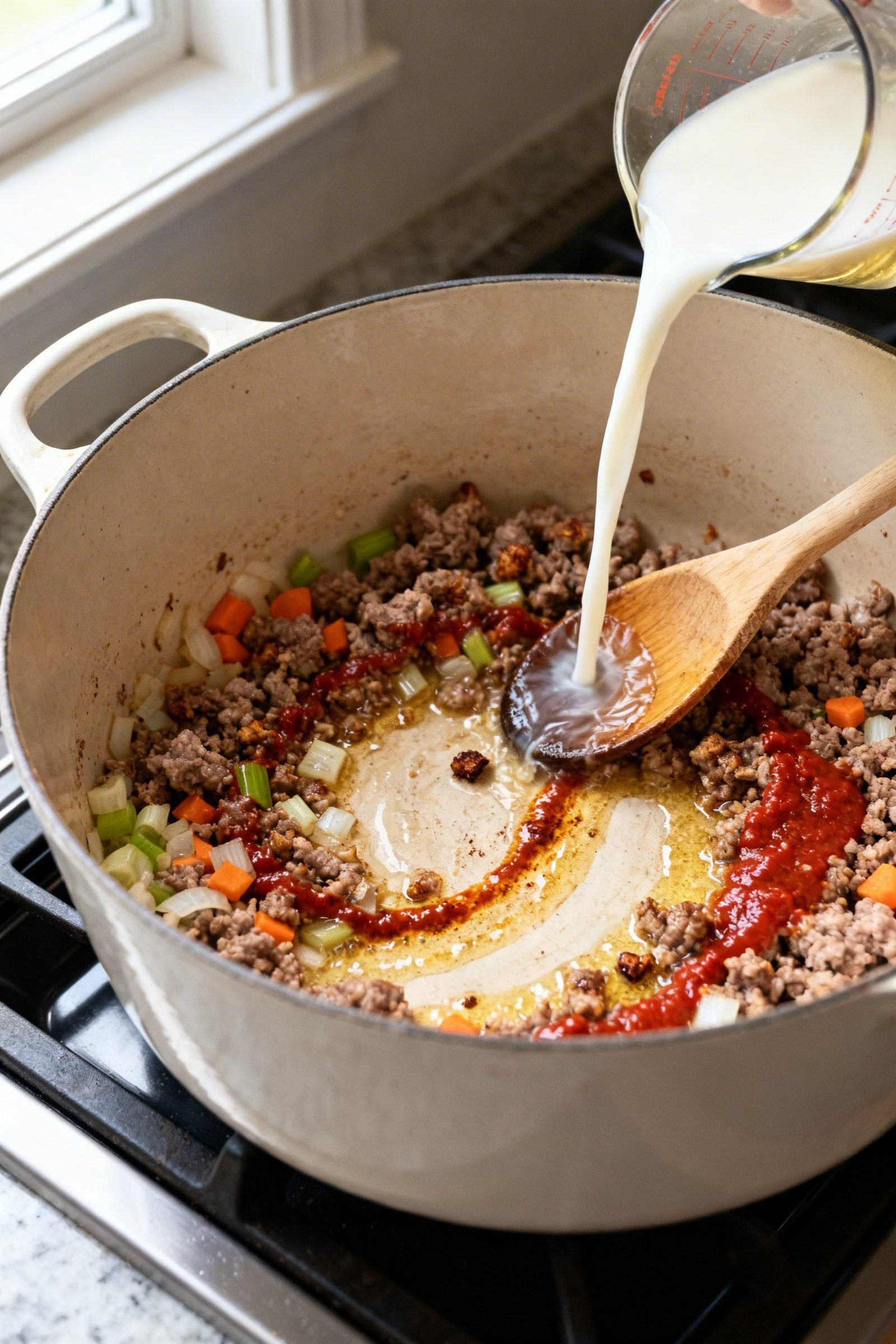
- Deglaze with wine: Pour in wine and scrape up browned bits. Simmer 2–3 minutes until the alcohol cooks off and the pot looks saucy, not soupy.
- Add milk and tomatoes: Stir in milk, crushed tomatoes, oregano, nutmeg, and bay leaf. Add 1/2 cup broth. Bring to a gentle simmer.
- Low and slow: Reduce heat to low so the sauce barely bubbles. Simmer uncovered 1.5–2.5 hours, stirring occasionally. Add splashes of broth if it looks dry. The sauce should look thick and glossy with very tender meat.
- Final seasoning: Remove bay leaf. Taste and adjust salt and pepper. If you want extra richness, swirl in a tablespoon of butter at the end.
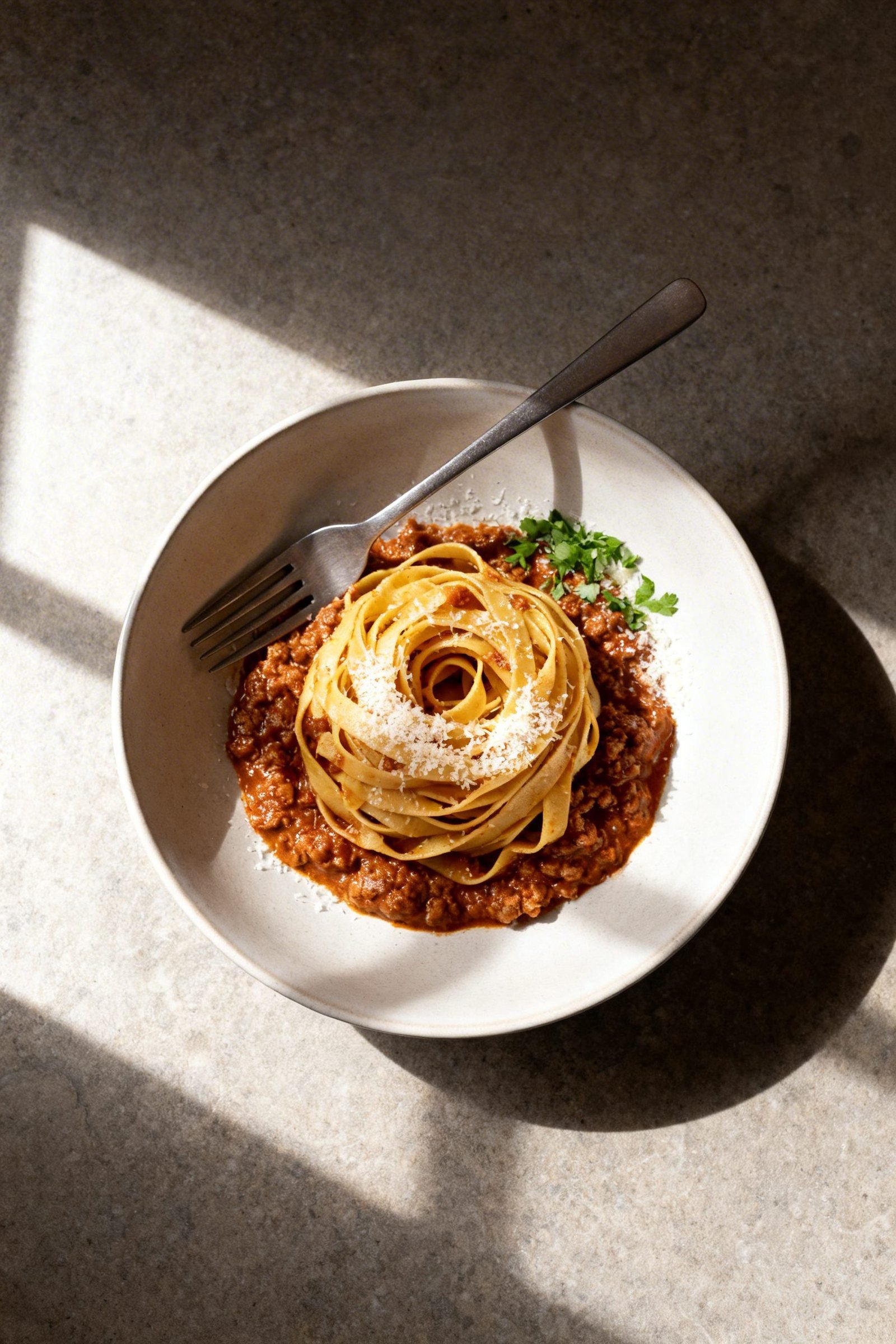
- Cook pasta and combine: Boil pasta in salted water until just shy of al dente. Reserve 1 cup pasta water. Toss pasta with several ladles of ragu, adding a splash of pasta water to help the sauce cling. Finish with Parmigiano-Reggiano.
Pro tip: Let the ragu rest 10 minutes before serving. The flavors settle and the sauce thickens slightly for perfect coating.
How to Store Leftover Bolognese
- Cool completely: Let the sauce cool to room temperature before storing to prevent condensation.
- Refrigerate: Store in airtight containers for up to 4 days.
- Freeze: Portion into freezer-safe containers or bags. Freeze up to 3 months. Lay bags flat for easy stacking.
- Reheat gently: Warm on the stovetop over low heat with a splash of water, broth, or milk to loosen. Stir often. Avoid boiling.
- Pasta storage tip: Store sauce and cooked pasta separately so the noodles don’t absorb all the liquid.
Benefits of Making Bolognese at Home
- Better flavor control: You set the seasoning, wine, and richness level to your taste.
- Budget-friendly comfort: A pot feeds a crowd and freezes beautifully for future meals.
- Versatile: Serve with pasta, layer into lasagna, spoon over polenta, or stuff into baked potatoes.
- Meal prep hero: One cook, many dinners. It tastes even better the next day.
- Cleaner ingredients: No fillers or excess sugar—just real, simple staples.
Common Mistakes to Avoid
- Rushing the soffritto: If you don’t soften and lightly caramelize the vegetables, you lose foundational sweetness.
- Skipping the browning: Color equals flavor. Let the meat sear in spots before you stir.
- Boiling the sauce: A hard boil toughens meat and evaporates liquid too quickly. Keep it at a gentle simmer.
- Too much tomato: Bolognese isn’t a bright red marinara. Balance tomatoes with milk and long cooking.
- Undersalting: Season in layers—vegetables, meat, and at the end—to build a rounded taste.
- Wrong pasta shape: Thin spaghetti won’t hold the sauce well. Choose wide, rough-surfaced noodles.
Variations You Can Try
- Mushroom boost: Add 8 ounces finely chopped cremini or porcini with the vegetables for earthiness.
- Pancetta start: Render 2–3 ounces diced pancetta before the vegetables for a smoky backbone.
- Wine swap: Use red wine for a deeper, rounder flavor or white wine for brighter notes.
- Cream finish: Stir in 1/4 cup heavy cream at the end for extra silkiness.
- Turkey or veal: Substitute part of the beef with ground turkey or veal for a lighter profile.
- Spice kiss: A pinch of crushed red pepper creates gentle heat without turning it into arrabbiata.
- Tomato-light “white” ragu: Use just a couple tablespoons of tomato paste and extra stock for a paler, ultra-meaty version.
FAQ
Can I make Bolognese in a slow cooker?
Yes. Brown the vegetables and meats on the stovetop first, then transfer to a slow cooker with remaining ingredients. Cook on low 6–8 hours with the lid slightly ajar for the last hour to reduce.
What pasta works best?
Tagliatelle, pappardelle, or fettuccine work best. Their wide surfaces catch the sauce. Rigatoni also works if you prefer short pasta.
Do I need milk?
Milk helps tenderize the meat and rounds out acidity. If you skip it, the sauce tastes sharper. For dairy-free, use unsweetened oat milk and finish with olive oil.
How do I thicken a thin sauce?
Simmer uncovered longer and stir often. You can also add a tablespoon of tomato paste and cook it in for a few minutes.
Can I double the recipe?
Absolutely. Use a wider pot so moisture evaporates properly. Taste and adjust seasoning as you go.
Conclusion
Make a pot of Bolognese when you want a cozy, reliable dinner that tastes like it simmered all day—because it did, in the best way. Layer flavors, keep the heat gentle, and let time do the work. Toss with wide noodles, shower with Parmigiano, and serve it proudly. You just made a timeless classic.
Ragu Bolognese
A rich, slow-simmered Italian meat sauce with beef and pork, milk and wine, perfect for wide pasta.
Ingredients
- 2 tablespoons olive oil
- 2 tablespoons unsalted butter
- 1 large yellow onion, finely diced
- 2 medium carrots, finely diced
- 2 celery ribs, finely diced
- 4 cloves garlic, minced
- 1 pound (450 g) ground beef (80–85% lean)
- ½ pound (225 g) ground pork
- 2 tablespoons tomato paste
- 1 cup dry white wine (or red)
- 1 cup whole milk
- 1 can (28 oz/800 g) crushed tomatoes
- 1 cup low-sodium beef or chicken broth, as needed
- 1 bay leaf
- 1 teaspoon dried oregano or Italian seasoning
- Pinch of ground nutmeg
- Kosher salt and freshly ground black pepper, to taste
- To serve: 1 pound tagliatelle, pappardelle, or fettuccine
- To serve: Freshly grated Parmigiano-Reggiano
- To serve: Chopped fresh parsley (optional)
Instructions
- Heat olive oil and butter in a large heavy pot over medium heat. Add onion, carrot, and celery with a pinch of salt and cook 8–10 minutes until very soft and lightly golden. Add garlic and cook 1 minute.
- Add ground beef and pork, breaking up with a spoon. Cook 8–10 minutes until no longer pink and lightly browned. Season with about 1 teaspoon salt and pepper. Drain excess fat if needed, leaving a little for flavor.
- Stir in tomato paste and cook 2–3 minutes until slightly darkened.
- Pour in wine, scraping up browned bits. Simmer 2–3 minutes until alcohol cooks off and mixture is saucy.
- Stir in milk, crushed tomatoes, oregano, nutmeg, and bay leaf. Add ½ cup broth and bring to a gentle simmer.
- Reduce heat to low and simmer uncovered 1.5–2.5 hours, stirring occasionally. Add splashes of broth if the sauce looks dry; it should be thick and glossy with very tender meat.
- Remove bay leaf. Taste and adjust salt and pepper. Optionally swirl in 1 tablespoon butter.
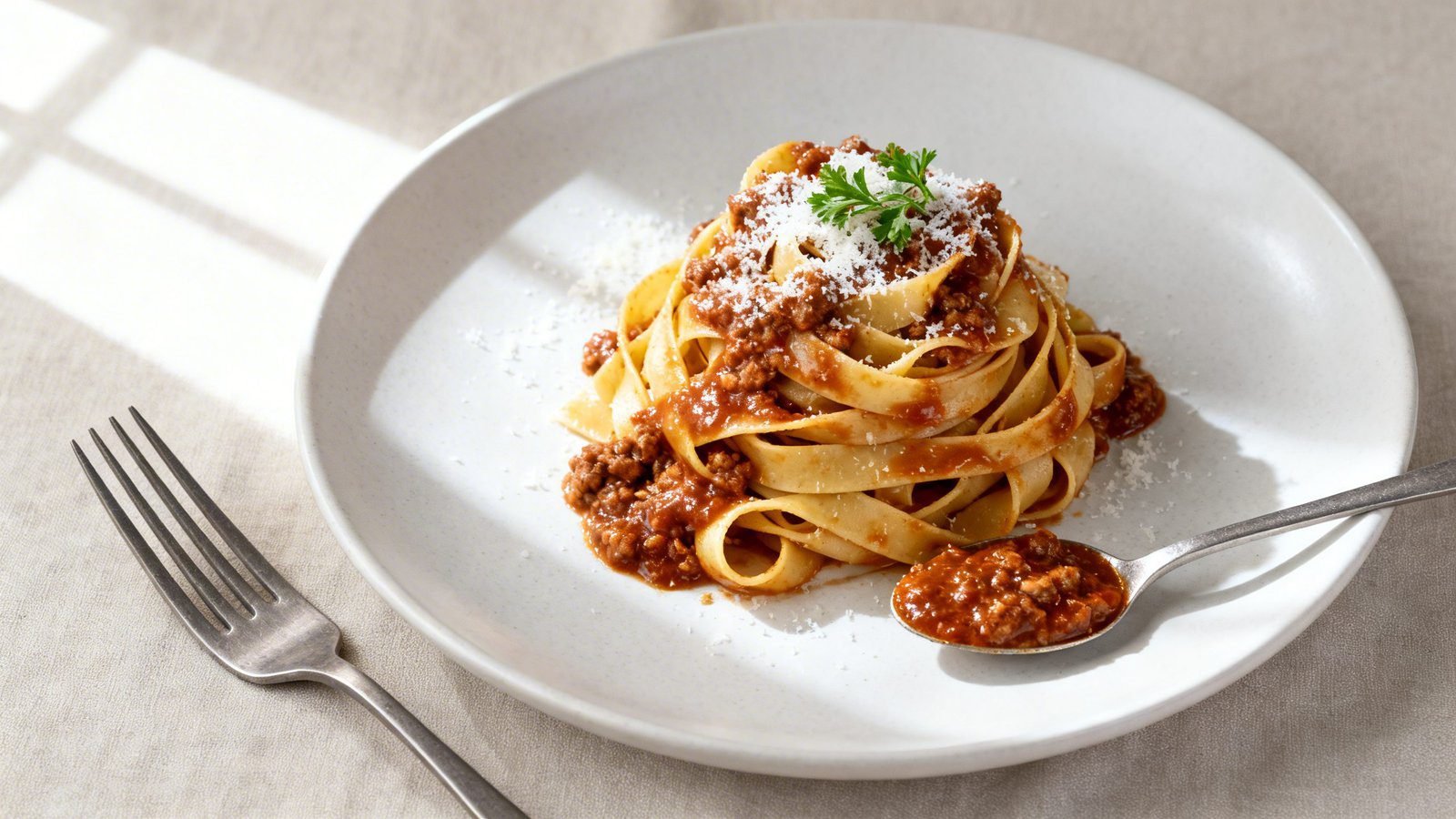
- Boil pasta in salted water until just shy of al dente. Reserve 1 cup pasta water. Toss pasta with several ladles of ragu, adding pasta water as needed to help the sauce cling. Serve with Parmigiano-Reggiano and parsley.